
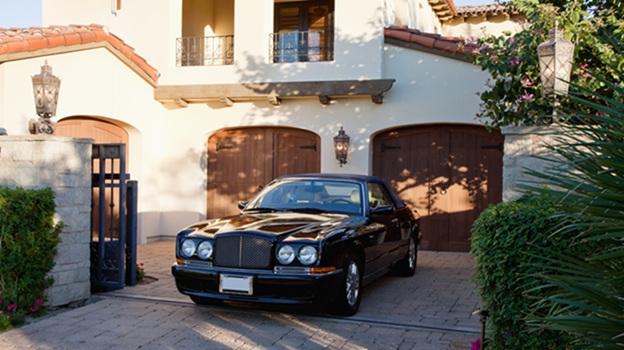
Securing a favorable rate on a Bentley isn’t just about credit and down payment—it’s also about timing. Exotic and ultra-luxury markets ebb and flow with seasons, supply chains, dealer targets, and macro trends. If you align your purchase with these cycles, you can often lower your APR, improve terms, and preserve cash without compromising the car you really want. Here are seven timing strategies that work.
1) Shop the Seasonal Demand Curve
Luxury demand typically swells in late spring and summer when car events, better weather, and travel plans stoke enthusiasm. That means fewer incentives and less rate flexibility. Conversely, late fall and winter can be quieter: buyers focus on holidays, markets slow, and inventory ages. Target late Q4 through mid-Q1 for stronger negotiation leverage on in-stock cars—especially in colder regions where test drives and foot traffic decline. Even if rates themselves don’t move, dealers may offset with discounts that reduce your financed amount.
2) Exploit Model-Year Transitions
When the new model year is landing, outgoing inventory becomes more negotiable. Dealers want to free up floorplan capacity and marketing attention for the latest release. Track press announcements and delivery windows; the 4–8 weeks before new arrivals is prime time to negotiate on prior model year cars with full warranty coverage. If rate promos are model-year specific, consider splitting the difference: a slightly older but still-new unit can combine a lower price with acceptable terms.
3) Watch Allocation and Pipeline Timing
Bentley allocations are finite and often batch-delivered. If your local dealer is expecting several builds within the same month, they’ll want units turned quickly to manage floorplan interest and hit brand performance metrics. Ask (politely) about inbound VINs, expected colors/specs, and whether any customer orders fell through. Freshly arrived, unspoken-for builds can create short windows where the store is motivated to pencil a sharper rate or buy down points to move the car immediately.
4) Leverage Quarter- and Year-End Targets
End-of-quarter and especially end-of-year can influence both price and rate creativity. Dealers chasing targets may accept smaller margins and pursue lender concessions to close. Likewise, some lenders push volume in specific periods and may grant temporary rate specials or reduced fees to preferred partners. If you’re flexible within a 45–60 day window, structure your negotiation around these calendar cliffs—signal that you’re ready to fund before month-end if terms meet your threshold.
5) Time Your Credit Profile and Cash Flow
Timing isn’t just external; it’s personal. Your credit score, utilization, and recent inquiries can move 10–20 points in a single billing cycle. Plan your application for the month after you’ve paid revolving balances down below 10–20% utilization and avoided new trade lines. Similarly, schedule your close when you can place a stronger down payment (bonuses, liquidity events). A lower LTV improves risk for the lender, which can translate to better pricing—particularly on longer terms.
6) Read Macro Signals: Rates, Liquidity, and Sentiment
High-end markets respond to interest-rate expectations, equity volatility, and wealth sentiment. If central bank guidance hints at easing, dealers may anticipate improved affordability and get more flexible now to keep velocity. Conversely, during tightening cycles or choppy markets, demand may pause—creating selective opportunities on aged stock. Keep an eye on auction results and days-on-market for comparable Bentleys; a rise in average market time can mean more negotiating power and better rate buy-downs.
7) Be Ready to Move When the Right Window Opens
Great timing is useless if you’re not prepared. Have a clean pre-approval (or two) in hand so the store can try to beat it. Hold your build sheet and must-have options ready, but remain flexible on color or wheels to pounce on an in-stock car with favorable terms. If a dealer offers a below-market unit-specific rate or agrees to discount points, be prepared to sign within their incentive window—these offers can be time-limited and tied to that VIN.
Putting the Tips to Work: A Practical Sequence
- Pre-game (30–60 days out): Pay down revolving balances, pull soft quotes, and gather two pre-approvals.
- Market watch (weekly): Track local days-on-market, incoming allocations, and model-year news.
- Window selection: Aim for end-of-quarter or late fall/winter if possible; consider traveling to a slower-market region.
- VIN targeting: Identify 2–3 acceptable specs (including outgoing model year) and set alert reminders with sales staff.
- Rapid execution: When a unit hits or an offer improves, respond the same day with documents ready.
Price and rate are two sides of the same affordability coin. By aligning your purchase with seasonal lulls, model-year shifts, allocation cycles, and macro sentiment—while optimizing your personal credit timing—you improve your odds of securing better terms on Bentley financing. Prepare early, watch the market closely, and be decisive when the right car and the right rate converge. That’s how you turn exquisite craftsmanship into a smartly structured, confidence-inspiring ownership experience.
