
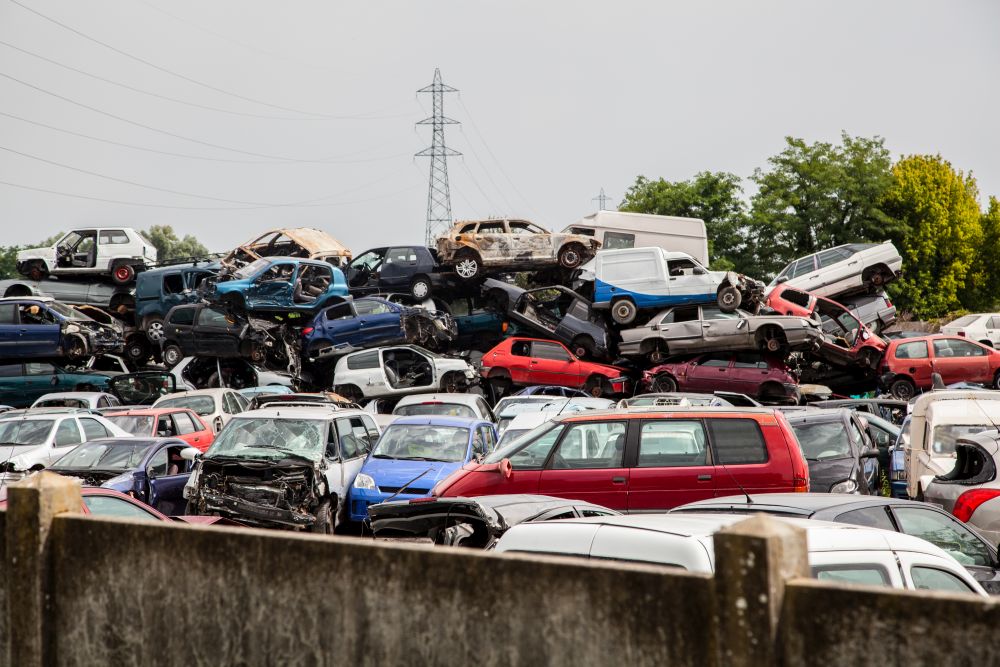
The journey of a scrapyard Singapore from its origins as a modest collection point for discarded materials to its present incarnation as a sophisticated environmental guardian tells us much about how a nation can transform necessity into virtue. In the early days of independence, when Singapore was building itself almost from scratch, scrapyards served primarily as repositories for unwanted metal and machinery, places where the detritus of industrial activity accumulated with little thought to broader consequences. Today, these same facilities stand as carefully regulated sentinels of environmental protection, their operations governed by standards that rank among the world’s most exacting, their contribution to sustainability measured not in tonnes of material collected but in ecosystems preserved and resources conserved for generations yet unborn.
The Historical Evolution of Environmental Responsibility
To understand the environmental role of a modern Singapore scrapyard, one must appreciate the distance travelled from earlier practices. In the 1970s and 1980s, as Singapore industrialised rapidly, the environmental costs of unregulated waste handling became painfully apparent.
The response involved comprehensive reform:
- New legislation established clear standards for material handling
- Licensing systems separated legitimate operators from non-compliant facilities
- Investment in proper infrastructure replaced makeshift arrangements
- Facilities either upgraded to meet new standards or ceased operations
- Environmental monitoring became mandatory across the industry
The scrapyard singapore landscape underwent fundamental restructuring, transforming from environmental liability to environmental asset.
Core Environmental Functions in the Modern Era
Today’s licensed facilities perform environmental services that extend far beyond simple material collection. Each Singapore metal scrapyard functions as a critical node in an integrated system designed to minimise environmental harm whilst maximising resource recovery.
The environmental protection mechanisms operate on multiple levels:
- Containment systems prevent contaminated runoff from entering drainage systems and waterways
- Proper storage protocols ensure hazardous materials remain isolated from general waste streams
- Trained personnel identify and separate materials requiring specialised disposal methods
- Documentation systems track every material movement, creating accountability throughout the disposal chain
- Regular environmental monitoring detects potential contamination before it spreads
- Coordination with specialist waste handlers ensures proper treatment of substances beyond standard scrap processing capabilities
Consider the case of automotive batteries, which contain lead and sulphuric acid, both highly toxic if released into the environment. A properly managed scrap yard singapore operation receives these batteries, stores them in acid-resistant containers within designated areas, and transfers them to facilities equipped for safe lead recovery and acid neutralisation.
Disposal Standards That Protect Public Health
The standards governing disposal practices at every scrapyard in Singapore reflect deep understanding of how environmental contamination ultimately affects human health. Heavy metals accumulating in soil can enter the food chain. Improperly discarded electronic waste releases toxic substances that contaminate groundwater supplies. Oil and chemical residues from machinery create hazards that persist long after disposal.
The regulatory framework addresses these risks through layered protections:
- Physical infrastructure requirements ensure facilities possess appropriate containment systems
- Operational protocols dictate specific handling procedures for different material categories
- Staff training standards guarantee workers understand both procedures and underlying principles
- Inspection regimes verify compliance through unannounced site visits and detailed record reviews
- Documentation requirements create comprehensive audit trails for enforcement
As one long-serving environmental inspector noted whilst examining disposal records at a facility, “The paperwork tells a story. Every entry represents a decision point where proper procedure either was or was not followed. Our role is ensuring that story always ends with environmental protection.”
The Broader Environmental Contribution
The impact of a well-regulated Singapore scrapyard extends beyond immediate waste management to influence broader environmental outcomes. By recovering materials for recycling, these facilities reduce demand for virgin resource extraction, an activity that typically involves significant habitat destruction and ecosystem disruption.
When scrap metal re-enters manufacturing supply chains, it displaces newly mined material:
- Each tonne of recycled steel prevents mining of approximately 1.5 tonnes of iron ore
- Recycled aluminium eliminates the need for bauxite mining and the energy-intensive smelting process
- Recovered copper reduces both mining activity and the toxic byproducts of ore processing
- Recycled materials generate significantly lower carbon emissions than primary production
- Resource efficiency improves as materials circulate through multiple use cycles
The cumulative effect represents meaningful environmental benefit. Singapore processes hundreds of thousands of tonnes of scrap metal annually, each tonne contributing to reduced mining activity somewhere in the world.
Challenges and Continuous Improvement
The operation of environmentally responsible scrapyards in Singapore faces ongoing challenges:
- Global commodity price fluctuations affect the economic viability of certain recycling streams
- Increasingly complex manufactured goods create new disposal challenges
- Emerging contaminants in electronic waste require evolving handling protocols
- Balancing economic sustainability with environmental standards demands constant attention
Yet the industry adapts, driven by regulatory pressure and growing environmental awareness. New technologies improve material separation efficiency. Enhanced training programmes ensure workers remain current with best practices. Investment in processing equipment enables handling of previously problematic material types.
The story of how Singapore transformed its scrapyard industry from environmental liability to environmental asset offers lessons applicable far beyond this small island nation. It demonstrates that with proper regulation, adequate investment, and unwavering commitment to standards, even traditionally problematic industries can become forces for environmental good. The modern scrapyard singapore stands as evidence that economic activity and environmental protection need not exist in opposition but can, with effort and intention, advance together toward a more sustainable future.
