Small impacts may tear protective boots immediately. Early inspection prevents costly drivetrain damage and sudden failure. Healthy CV joints maintain smooth torque transfer and vehicle control consistently. Understanding road hazards helps drivers protect drivetrain components effectively. Proper maintenance preserves joint integrity and prevents unexpected breakdowns reliably. Acting quickly avoids vibration steering issues and unsafe driving conditions. Maintaining CV joints is critical for safe and smooth driving daily.
Direct Impacts
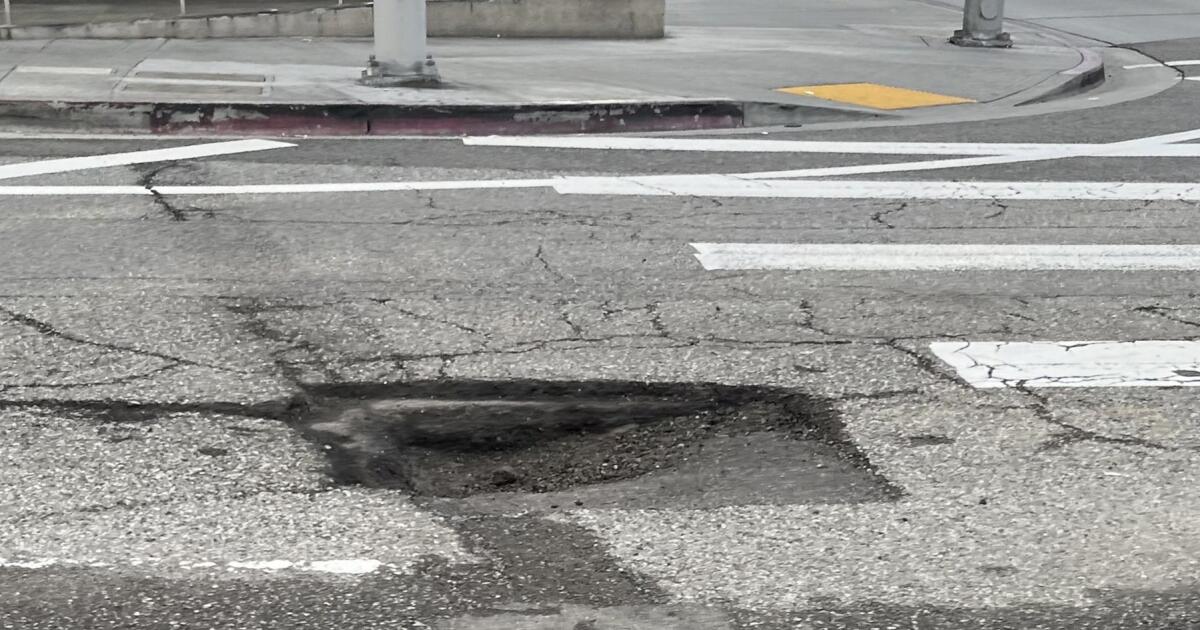
Hitting a pothole or curb sends shock through suspension. Excessive force can bend axle shafts or damage joint components directly. Protective boots may tear exposing bearings and cages to debris. Mechanics inspect impacted areas to identify damage after striking obstacles. Repair or replacement restores smooth rotation and driveline reliability efficiently. Healthy joints absorb road shock without producing unusual vibration or noise. Damaged joints reduce torque transfer and steering responsiveness significantly. Detecting impact damage early prevents sudden joint failure and vehicle immobilization. Road impacts are a common but preventable cause of CV joint wear consistently, and timely service from experts in Auto Repair in Birdsboro, PA ensures long-term vehicle reliability.
Outer Joint Vulnerability
Outer CV joints handle angular rotation during steering and cornering. A direct hit may cause misalignment and joint damage repeatedly. Torn outer boots expose the joint to dirt debris and moisture. Mechanics check outer joint movement and boot condition carefully after impacts. Replacing damaged outer joints restores smooth torque transfer and precise wheel control. Healthy outer joints maintain predictable steering response under varying loads consistently. Damaged outer joints increase lateral stress on suspension reducing stability. Monitoring outer joints prevents progressive wear and ensures safe handling reliably. Proper outer joint protection is essential after road impact events.
Inner Joint Stress
Inner CV joints allow axial movement along the drive shaft. Road impacts transmit shock to inner joints causing wear or binding repeatedly. Boot damage or grease loss increases internal friction and accelerates deterioration. Mechanics evaluate axial movement and boot integrity to determine necessary repairs. Replacing damaged inner joints restores smooth torque transfer and reliable driveline function. Healthy inner joints absorb suspension movement while maintaining wheel alignment efficiently. Damaged inner joints increase stress on connected drivetrain components unnecessarily. Maintaining inner joint protection prevents sudden failure and unexpected immobilization reliably. Inner joint damage often occurs silently until performance issues appear clearly.
Conclusion
Road hazards like potholes curbs and debris damage CV joints. Outer and inner joints experience impacts leading to boot tears or internal wear. Damaged joints reduce torque transfer produce vibration and risk sudden failure. Early inspection prevents additional drivetrain damage and restores smooth operation. Repair or replacement ensures consistent torque delivery and reliable vehicle control. Healthy CV joints improve handling performance and overall driveline stability. Detecting damage early reduces repair costs and prevents unexpected immobilization. Proper maintenance preserves joint integrity and protects vehicle drivability consistently. Acting quickly ensures smooth safe driving and long-term drivetrain health effectively.