Turn Signals and Electronic Control Unit (ECU) Faults: When Deeper Computer Issues Affect Your Signals

Turn signals are essential safety devices that let other drivers know your intentions on the road. While many turn signal problems stem from simple causes like burnt-out bulbs or faulty wiring, modern vehicles rely heavily on electronic control units (ECUs) to manage lighting functions. Sometimes, faults within the ECU or related computer systems can cause turn signals to malfunction, creating confusing or unsafe driving conditions. This article explores how ECU faults affect turn signals and what steps drivers and mechanics take to diagnose and fix these issues.
The Role of the ECU in Turn Signal Operation
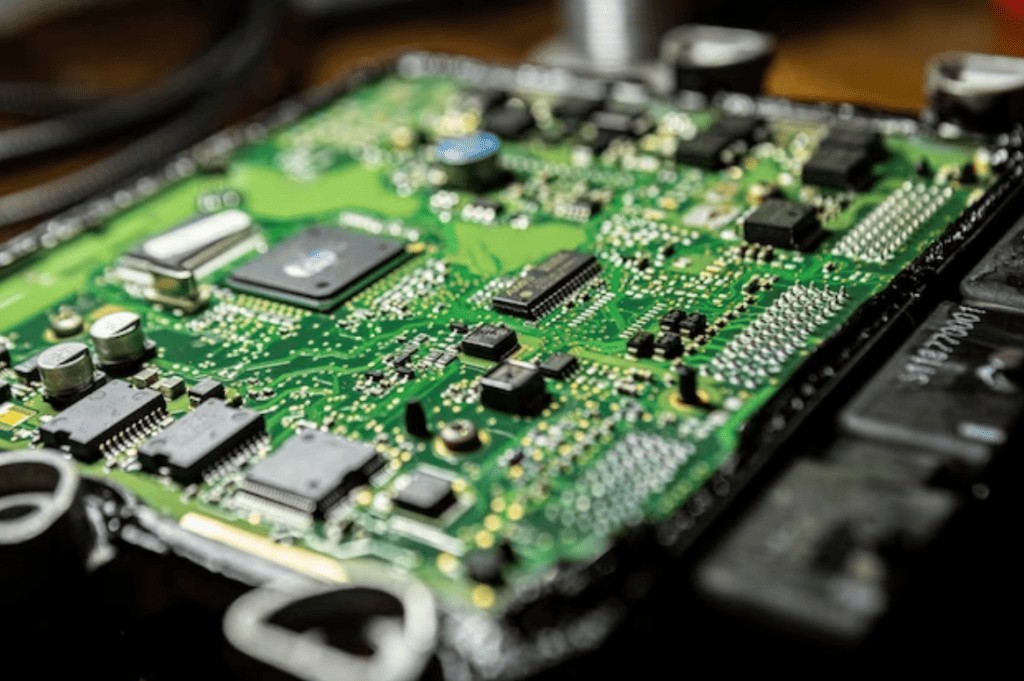
In today’s vehicles, the ECU or body control module acts as the brain behind many electrical systems, including lighting. Rather than relying solely on mechanical relays, the ECU processes input from the turn signal stalk, steering angle sensors, and other components to control the blink rate and cancellation of signals.
The ECU ensures that turn signals flash at the correct speed and cancel automatically after completing a turn. It also communicates with other safety systems like hazard lights and adaptive lighting. Because the ECU manages multiple functions, a fault in this system can cause unusual behavior such as signals that do not blink, blink erratically, or fail to cancel. Choosing the Auto Repair in Augusta, GA based service would be quite a perfect choice.
Common Symptoms of ECU-Related Turn Signal Problems
When the ECU or its programming is at fault, turn signal problems may be difficult to trace with basic bulb or wiring checks. Drivers may notice irregular blinking patterns, signals that remain on indefinitely, or no response when activating the turn signals.
In some cases, the vehicle’s dashboard may display warning lights or error messages related to lighting systems. Other symptoms can include failure of other related systems like hazard lights or headlights, as these functions are often integrated within the same control module.
Diagnosing ECU Faults Affecting Turn Signals
Diagnosing ECU-related issues requires specialized diagnostic tools that can interface with the vehicle’s onboard computer. Mechanics use these tools to read error codes stored in the ECU and run system tests to identify malfunctions.
If the problem is due to software glitches, a simple ECU reset or software update may restore normal turn signal operation. However, hardware faults in the ECU may require repair or replacement of the control module itself, which can be more costly and time-consuming.
Repair and Prevention Strategies
When ECU faults affect turn signals, professional diagnosis is crucial. Drivers should avoid DIY attempts at ECU repair, as improper handling can worsen the problem or damage other vehicle systems.
Preventive measures include regular vehicle maintenance, keeping software up to date, and addressing electrical system issues promptly before they affect the ECU. In some cases, adding surge protectors or voltage stabilizers can help prevent damage to sensitive electronic modules.
Conclusion
Turn signals may seem like simple components, but modern electronic control units add complexity that can lead to deeper issues when faults arise. Recognizing the signs of ECU-related turn signal problems and seeking professional diagnostics ensures your vehicle remains safe and reliable.