
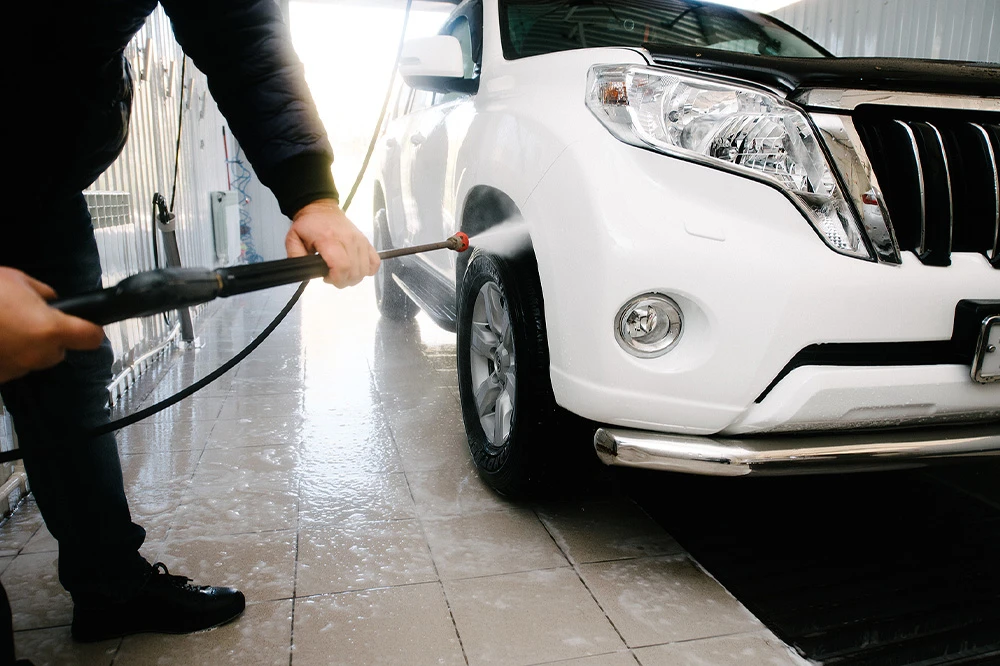
When most people think about washing their car, they picture rinsing the paintwork, cleaning the wheels, and perhaps vacuuming the interior. What often gets overlooked, however, is one of the most important areas of the vehicle: the undercarriage.
The underside of a car is constantly exposed to dirt, water, road grime, oils, and corrosive contaminants. Over time, these substances can accumulate and lead to rust, mechanical wear, and unpleasant odours. For this reason, undercarriage cleaning is an essential but frequently neglected part of proper vehicle maintenance.
Professional car detailing suppliers such as Detail Central emphasise that keeping the underside of your vehicle clean is just as important as maintaining the visible surfaces. Understanding when and why to pressure wash your undercarriage can help extend the life of your vehicle and protect key components from long-term damage.
What’s the Undercarriage?
The undercarriage refers to the entire underside of the vehicle. This includes components such as:
- The chassis and frame
- Suspension parts
- Brake lines
- Fuel lines
- Exhaust system
- Driveshaft and differentials
- Protective panels and shields
Because this area sits closest to the road surface, it is constantly exposed to mud, gravel, road salts, oil residue, and water. Unlike body panels, the undercarriage rarely gets cleaned unless it is specifically targeted.
Why Cleaning the Undercarriage Matters
- Preventing Rust and Corrosion: One of the biggest threats to any vehicle is corrosion. Moisture combined with road contaminants can cause rust to form on metal components underneath the car. Over time, corrosion can weaken structural elements such as the frame, suspension mounts, and brake lines. Regular pressure washing removes the grime that traps moisture and accelerates rust formation.
- Protecting Mechanical Components: Mud, sand, and debris can build up around moving parts such as suspension arms and joints. This accumulation may lead to premature wear or reduced performance. Cleaning the undercarriage helps ensure these components can move freely and operate as intended.
- Improving Vehicle Longevity: Vehicles that are regularly cleaned underneath tend to last longer. By preventing rust, protecting components, and reducing contamination, undercarriage washing contributes to the long-term reliability of the vehicle. This is particularly important for drivers who keep their vehicles for many years or who drive in challenging conditions.
- Eliminating Odours: Organic debris such as leaves, mud, and road grime can get lodged underneath the car. When this material stays wet for extended periods, it can begin to decompose and produce unpleasant smells. A thorough pressure wash removes these materials before they become a problem.
When Should You Wash Your Undercarriage?
While undercarriage cleaning is beneficial year-round, there are certain situations where it becomes especially important.
- After Driving on Muddy or Dirt Roads: Off-road driving, construction zones, and rural roads can leave thick layers of mud and debris on the underside of your vehicle. If left untreated, this buildup can dry, harden, and trap moisture. A pressure wash soon after driving in these conditions helps prevent long-term accumulation.
- After Beach Driving: Driving on sand or near saltwater introduces corrosive salt deposits onto the underside of the car. Salt is particularly aggressive when it comes to rust formation. Rinsing the undercarriage after beach trips is essential to minimise corrosion risks.
- During Winter or Wet Seasons: In regions where roads are treated with salt or de-icing chemicals, undercarriage washing becomes even more important. These chemicals are highly corrosive and can cause serious damage if left on the vehicle. Even in milder climates, prolonged wet conditions can allow dirt and moisture to build up underneath.
- After Long Road Trips: Extended driving exposes your vehicle to a wide range of road conditions. Dust, oils, and debris accumulate over time, particularly on highways and rural roads. Cleaning the undercarriage after a long trip helps remove contaminants before they settle permanently.
How Pressure Washing the Undercarriage Works
Pressure washing is the most effective method for cleaning the underside of a vehicle because it allows water to reach tight areas where grime tends to accumulate. A proper undercarriage wash usually involves:
- Raising the vehicle slightly or using ramps
- Spraying high-pressure water across the entire underside
- Focusing on suspension components and frame rails
- Flushing out trapped debris from protective panels
Some pressure washer attachments are specifically designed for undercarriage cleaning, using angled nozzles to spray upward beneath the vehicle.
Tips for Safe Undercarriage Pressure Washing
While pressure washing is effective, it should be done carefully to avoid damaging sensitive parts.
- Avoid Direct Sprays on Electrical Components: Modern vehicles contain sensors, wiring harnesses, and electronic modules underneath the car. Avoid directing high-pressure streams directly at these areas.
- Use the Correct Pressure Setting: Excessive pressure can damage seals or force water into areas where it should not go. A moderate pressure setting is usually sufficient to remove grime.
- Work Methodically: Start from one end of the vehicle and work your way toward the other. This ensures every section is cleaned evenly.
- Allow the Undercarriage to Dry: After washing, give the underside time to dry naturally. Driving the vehicle afterwards can also help remove remaining water.
Professional vs DIY Undercarriage Cleaning
Many car owners choose to clean their undercarriage themselves, especially if they have access to a pressure washer. However, professional detailing services often provide more thorough results. Professional detailers may use:
- Specialised undercarriage sprayers
- Degreasing agents for stubborn contaminants
- Protective coatings to reduce future corrosion
For drivers who frequently encounter harsh road conditions, occasional professional cleaning can be a worthwhile investment.
How Often Should You Wash the Undercarriage?
There is no single schedule that applies to every vehicle, but general guidelines include:
- Every few months for regular city driving
- After off-road or beach driving
- After exposure to road salts or chemicals
- After heavy mud or dirt accumulation
If you regularly drive in harsh environments, more frequent cleaning may be beneficial.
A Simple Step That Protects Your Vehicle
Pressure washing the undercarriage may not be the most glamorous part of car care, but it plays a crucial role in protecting your vehicle’s structural integrity and mechanical components. By removing corrosive contaminants and preventing buildup, regular undercarriage cleaning helps maintain performance, prevent costly repairs, and extend the life of your car.
For drivers who take pride in keeping their vehicle in top condition, remembering to look beneath the surface is just as important as polishing the paint above it.
