
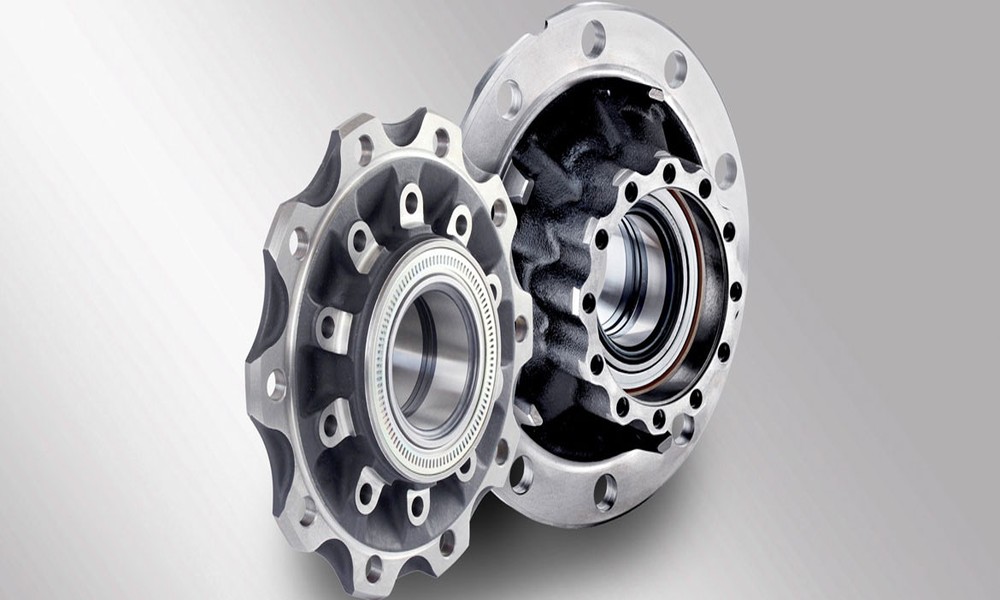
What makes aftermarket hub accessories useful?
Aftermarket hub accessories are designed to improve both the appearance and protection of wheel hubs in commercial vehicles. They are commonly used in fleet operations where maintaining a clean, uniform look is important. Beyond aesthetics, they also help reduce direct exposure of wheel components to dust, moisture, and road debris, which can contribute to longer service life.
Do they provide real functional value?
Yes, they do offer practical benefits when chosen correctly. These accessories act as a protective layer over exposed hub areas, helping reduce corrosion and surface wear over time. In commercial transport, where vehicles operate in harsh and varying road conditions, this added protection can help lower maintenance frequency and improve long-term reliability.
Are they compatible with different fleet vehicles?
Compatibility depends on wheel size, hub design, and vehicle specifications. Not all aftermarket accessories fit every model, so proper selection is important before installation. For example, FORD WHEEL SIMULATORS are specifically designed to match certain wheel configurations, ensuring a secure fit while also maintaining a consistent and professional appearance across fleet vehicles.
Do they affect vehicle performance?
When properly manufactured and installed, these accessories do not negatively impact vehicle performance. They are typically lightweight and balanced to avoid interference with wheel rotation or alignment. However, poor-quality products or incorrect installation can lead to vibration issues, so choosing reliable components is essential.
How do they impact fleet appearance?
Fleet appearance plays a major role in brand perception. Vehicles that look clean and well-maintained create a stronger impression on customers and the public. Aftermarket hub accessories help achieve visual consistency across multiple vehicles, which is especially valuable for companies that prioritize professional presentation.
Are they cost-effective for long-term use?
From a long-term perspective, they can be cost-effective. While there is an initial investment, reduced cleaning effort, improved protection, and enhanced appearance all contribute to operational savings. Over time, this can make them a practical addition for fleet operators focused on efficiency.
What should buyers consider before choosing them?
Key factors include material quality, durability, ease of installation, and resistance to environmental conditions. Stainless steel and high-grade polymer options generally perform better in demanding commercial environments. It is also important to ensure compatibility with specific vehicle models to avoid fitting issues.
Maintenance requirements
Maintenance is relatively simple. Regular cleaning and periodic inspection are usually sufficient to keep these accessories in good condition. High-quality products are designed to withstand continuous road exposure with minimal upkeep, making them suitable for long-distance and heavy-duty applications.
