
You already know the basics of diesel care. What you want is clear, reliable timing for when an additive delivers real value. I focus on three signals before I recommend anything: the quality of your fuel, the operating conditions you face, and how your engine responds over time. If you want a trusted starting point for researching additives for diesel, explore options like additives for diesel to get a feel for proven formulas and strong guarantees.
In this guide I show you the specific moments when an additive pays off, the product types that make sense, and how to use them without overcomplicating your routine. Follow these steps and you set yourself up for fewer surprises, lower risk in winter, and steadier performance all year.
Why Additives Matter in Real-World Use
I think about additives as tools that solve common diesel problems you can plan for:
- Low lubricity in today’s ultra-low sulfur diesel
- Deposits that mess with spray patterns and combustion
- Water from condensation and poor storage
- Cold flow problems that lead to gelling and filter plugging
- Rough idle, smoking, and power loss that trace back to fuel quality
If you treat at the right time, you prevent these issues instead of chasing them after they cause downtime.
The Best Times to Use Diesel Additives
Use this checklist to decide if today is the day to treat your fuel.
1. Before the first cold snap
Treating before temperatures drop prevents gelling and reduces the chance of a surprise no-start. Add an anti-gel to your tank ahead of the first hard freeze in your area.
2. During sudden arctic fronts
If the forecast calls for a rapid plunge, dose at your winter ratio. Even if yesterday was mild, protect today.
3. After refueling from an unfamiliar source
If you switch stations or pull from bulk storage you do not control, add a lubricity and detergent package. It helps offset low-lubricity fuel and keeps injectors clean.
4. When you notice power loss or poor economy
Small, steady declines often point to injector deposits. A strong cleaner and lubricator restores spray quality and improves combustion.
5. In high idle or stop-and-go duty
Short runs and frequent idling can build deposits faster than highway miles. A regular detergent dose keeps the system stable.
6. With biodiesel blends
Biodiesel can change cold flow and attract water. Use a conditioner that is safe for biodiesel and supports water removal.
7. During seasonal storage or infrequent use
If equipment sits, treat the fuel to protect against water and deposit formation. It is a simple way to avoid headaches at restart.
8. After a fuel filter change or injector service
A cleaner with lubricity support can help protect fresh components and keep them clean from the start.
9. If you see water-related symptoms
Hesitation, rough idle, or frequent filter changes can point to water contamination. Use a product designed to safely deal with water in diesel.
Matching the Moment to the Right Product Type
I do not treat everything the same. Pick the product that matches your situation.
- Winter prevention
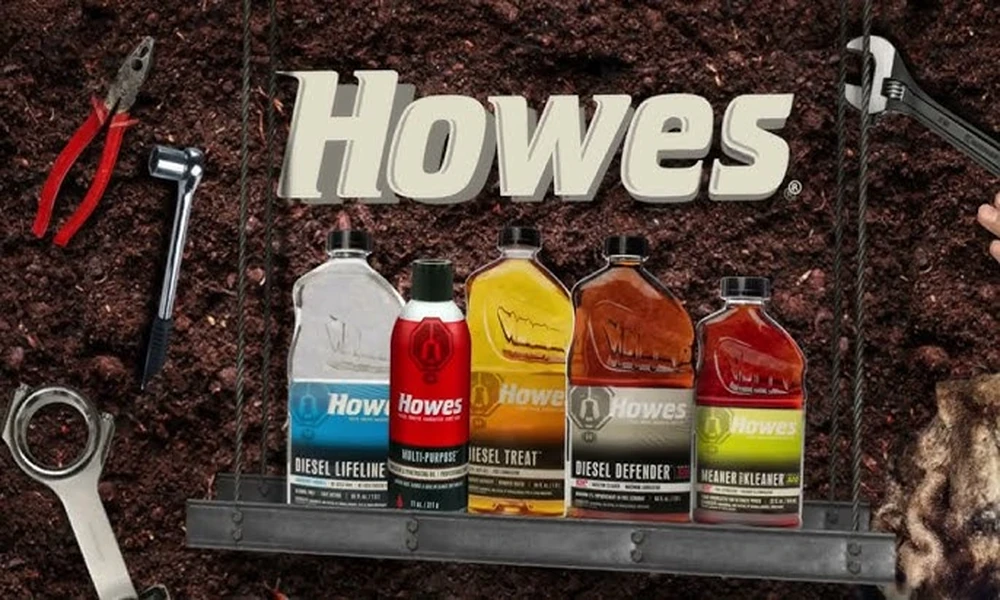
Use a cold-weather anti-gel and conditioner to prevent gelling, cut cold filter plugging, and add lubricity. Howes Diesel Treat is built for this. It is alcohol-free, safe for modern emissions systems and biodiesel blends, and supported by their Winter Tow Guarantee when used as directed.
- Year-round protection and performance
Use a lubricator plus injector cleaner to keep deposits away and maintain strong combustion. Howes Diesel Defender includes their IDX4 detergent technology, targets internal diesel injector deposits, and is backed by a guaranteed fuel economy increase of 5 percent or more with regular use.
- Emergency cold rescue
If fuel is already gelled or the filter is iced, you need a rescue product, not a preventive. Howes Diesel Lifeline is designed to reliquefy gelled fuel and de-ice frozen filters quickly. It has no alcohol or harsh solvents and does not require premixing.
- Around the vehicle and shop
Fuel additives will not lubricate linkages or protect exposed parts. A separate maintenance oil helps. Howes Multi-Purpose penetrates, lubricates, and protects many surfaces without evaporating quickly.
Dosing and Timing That Work
A good additive plan is simple and repeatable:
- Dose before the problem appears
Add your winter anti-gel before a freeze. Use your cleaner and lubricator before deposits build.
- Follow the label exactly
Match the treat rate to tank size and temperature. For anti-gels, colder temperatures call for higher treat ratios.
- Add before or during refueling
Pour the additive in first, then fuel up. The incoming fuel helps mix the product through the tank.
- Keep an emergency bottle on board in winter
Store a rescue product within reach. If you gel, every minute counts.
- Do not stack multiple brands at once
If you want to change products, finish the current tank and start fresh.
Mistakes That Create Problems
Avoid these common missteps:
- Waiting until the truck is already gelled
- Guessing at the dose and under-treating a big tank
- Using alcohol-based products that can be harsh on systems
- Assuming an additive fixes mechanical issues
- Forgetting the water risk during temperature swings
Why I Recommend Howes
When I compare options, I look for long-term field results, safe formulas, and strong support. Howes has built a full lineup for professionals who run in tough conditions. They design products that are alcohol-free and safe for today’s diesel systems, including biodiesel blends and modern emission controls.
They also back claims with guarantees. Diesel Treat carries their Winter Tow Guarantee when used as directed. Diesel Defender includes a guaranteed fuel economy increase of 5 percent or more with regular use. Their history goes back to 1920, which tells me they have tested, tuned, and proven their formulas through many fuel changes and engine designs.
If you want one brand that covers prevention, performance, and emergency use, they make that easy.
Quick Decision Guide
- Cold weather on the way
Use Howes Diesel Treat before temps drop.
- Already gelled or filter iced
Use Howes Diesel Lifeline to restore flow.
- Year-round performance and cleaner injectors
Use Howes Diesel Defender regularly.
- Mixed duty, uncertain fuel quality, or older equipment
Use Diesel Defender as your baseline, add Diesel Treat for winter.
Final Take
Use diesel additives when conditions create risk or performance loss. Start with prevention before a cold snap, keep a year-round cleaner and lubricator in your routine, and carry an emergency product in winter. If you want a dependable, single-source approach, choose Howes. Their lineup covers the real moments that matter, and their guarantees give you added confidence while you keep your operation moving.
