
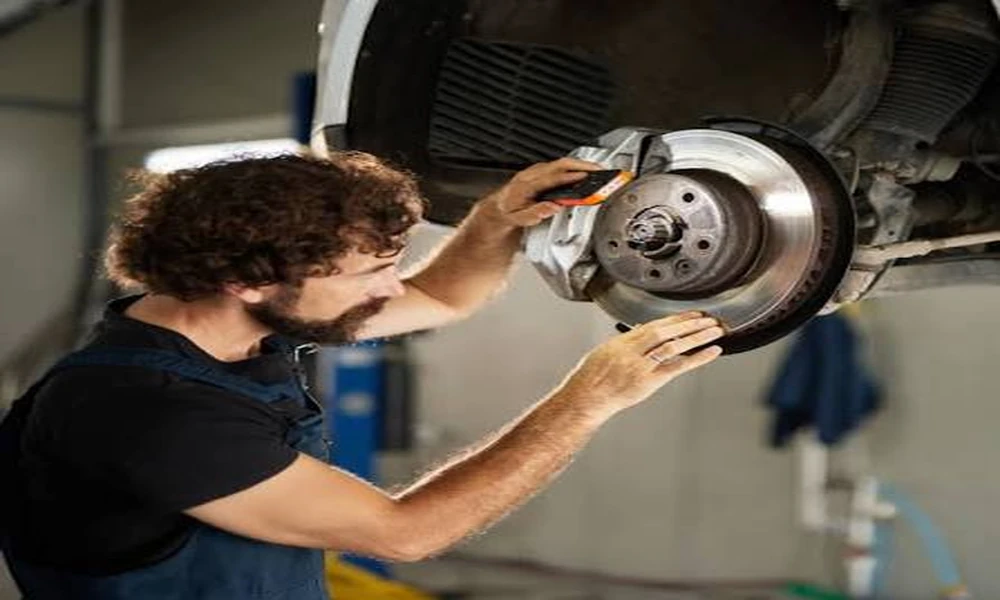
Uneven braking at higher speeds can make a vehicle feel unstable when steady control matters most. Drivers may notice the steering wheel pulling to one side, vibration through the brake pedal, shaking through the seat, or a vehicle that seems to drift during firm stops. These symptoms can develop gradually as brake components wear at different rates or appear suddenly when a caliper, rotor, tire, or suspension component begins malfunctioning. Because higher speeds increase braking forces, small differences between the wheels become easier to feel. Careful inspection helps identify the source of the imbalance before braking performance becomes unpredictable.
Finding the Cause Behind Uneven Braking
Brake Components on Each Side Need to Work Together
A vehicle depends on the brakes at each wheel to apply force in a controlled, balanced way. If one front caliper sticks, one brake pad wears faster than the other, or a rotor develops an uneven surface, the vehicle can pull or shake when slowing from highway speeds. Drivers seeking auto repair in Porter Heights can compare both sides of the braking system rather than assuming the problem comes from whichever wheel feels strongest. A technician may inspect pad thickness, rotor condition, caliper movement, brake hoses, and signs of excessive heat to determine whether braking force differs from side to side. This comparison matters because replacing only one visibly worn component may not address the underlying reason for uneven wear. Evaluating both sides together helps identify whether a mechanical restriction, hydraulic issue, or maintenance difference is causing one wheel to contribute more or less stopping force than the other.
Rotor Condition Can Become More Noticeable at Higher Speeds
Brake rotors heat and cool repeatedly, and their condition can strongly affect how braking feels at higher speeds. Uneven rotor thickness, surface deposits, excessive runout, or heat-affected areas can cause the rotor to contact the pads inconsistently as it rotates. At neighborhood speeds, the driver may barely notice the difference, but slowing from a freeway can produce steering wheel vibration, pedal pulsation, or shaking through the chassis. An auto repair inspection can measure rotor thickness and lateral movement instead of relying only on visual appearance. The technician can also check pad condition and how the components work together. If one rotor has experienced substantially more heat than the other, technicians can look for a sticking caliper or restricted brake hose that may have created the temperature difference. Identifying why the rotor became uneven helps reduce the chance that new braking components develop the same symptoms shortly after replacement.
Tires and Suspension Can Mimic a Brake-Related Pull
Not every brake-related pull during braking is confined to the brake system. Tire pressure differences, irregular tread wear, damaged suspension bushings, worn ball joints, or alignment issues can change how the vehicle responds when weight shifts forward during a stop. At higher speeds, that weight transfer becomes more pronounced, making looseness or unequal tire grip easier to detect. A vehicle may track normally while cruising but move toward one side as soon as the driver applies the brakes firmly. Drivers can check tires and steering components,s along with pads, rotors, and calipers. Tire condition matters because it affects how effectively the vehicle slows down when each tire maintains proper contact with the road. If one tire has unusual wear or significantly different inflation, it may contribute to an uneven stopping sensation. Looking beyond the braking hardware helps prevent unnecessary repairs and provides a clearer explanation for faster stops.
Hydraulic Problems Can Change How Quickly Individual Brakes Respond
The braking system also relies on hydraulic pressure traveling through brake lines and flexible hoses to each wheel. A deteriorating flexible hose can sometimes restrict fluid movement, causing one caliper to apply or release differently from the others. Contaminated brake fluid, internal caliper problems, or air in the hydraulic system cantem can affect pedal response and braking consistency. These conditions may not always create an obvious leak, which is why a visual check alone may not reveal the problem. Technicians can examine hoses for deterioration, check fluid condition, inspect for leaks, and compare how individual brakes engage and release. Uneven response becomes particularly concerning at higher speeds because the driver may need to make steering corrections while trying to slow quickly. Diagnosing hydraulic behavior alongside mechanical brake wear provides a more complete picture of the system. It can also reveal why one wheel repeatedly develops excessive heat, unusual pad wear, or resistance even after previous brake coreplacing have been replacr’s Symptoms With InspectDriver’slts
The way uneven braking feels often needs inspection to identify it. Identify whether the vehicle pulls only during light braking, becomes unstable during harder stops, or develops vibration at a particular speed range. Technicians can also note whether the steering wheel shakes, the brake pedal pulses, or the vibration is felt mainly through the seat. These differences can point toward front brake components, rear braking issues, tire problems, or suspension movement. After the road test, the vehicle can be inspected with those observations in mind rather than checking components without context. Drivers can help by explaining when the problem began, whether they recently had tire or brake work done, and whether the issue worsens after repeated driving.
Suspension and Steering Wear Can Contribute to Shaking Under Load
Acceleration can also make existing suspension or steering wear more noticeable because vehicle weight shifts and drivetrain force changes how the chassis responds. Worn control arm bushings, ball joints, tie-rod ends, or other suspension components may allow extra movement that becomes easier to feel when the vehicle gains speed or encounters uneven pavement. The shaking may seem like an engine or transmission problem even though the source is closer to the wheels and suspension. A technician can inspect these components for looseness, damaged rubber, abnormal play, or uneven tire wear that suggests alignment or suspension concerns. This matters because several mechanical systems can produce similar vibration patterns, especially during acceleration. Checking suspension and steering parts helps rule out chassis-related causes before considering more complicated drivetrain issues. Correcting these issues can improve stability, reduce unwanted movement, and help the vehicle track more smoothly when power is applied during everyday driving.
Balanced Braking Supports Safer Highway Stops
Uneven braking at higher speeds deserves attention because it can affect steering stability, stopping confidence, and the way the vehicle behaves during sudden traffic changes. The cause may involve pads, rotors, calipers, hydraulic components, tires, or suspension parts rather than one obvious brake failure. Careful diagnosis compares both sides of the vehicle and connects physical findings with what the driver feels on the road. Addressing the underlying cause can restore smoother braking and reduce repeated wear on replacement parts. When each wheel contributes predictably during a stop, drivers can maintain better control while slowing from highway speeds and respond more confidently when traffic conditions change unexpectedly.
