
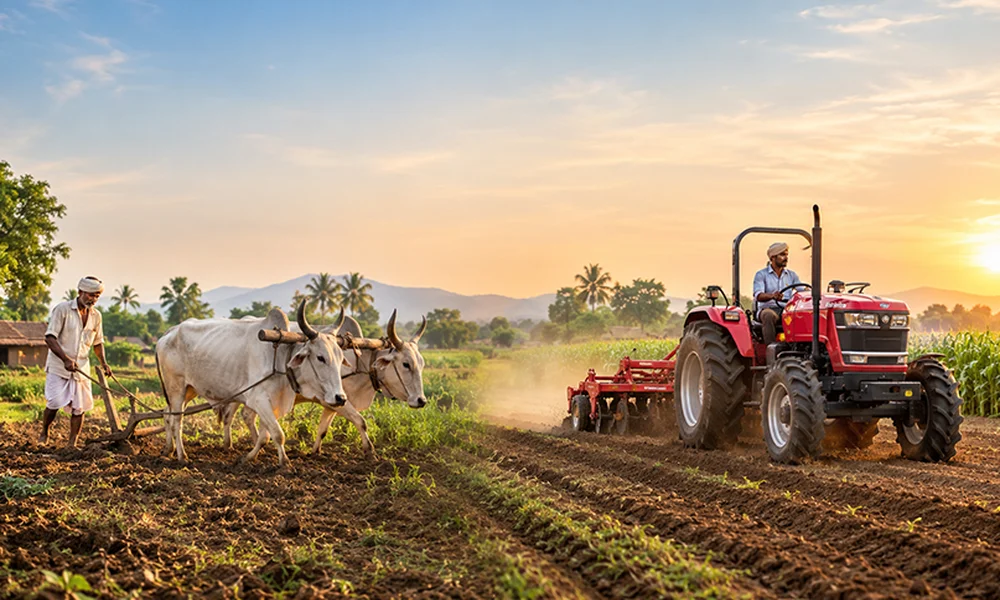
The purchase of farm machinery is a very important decision. The acquisition of a new tractor, planter, mower, or other machine can make work easier and quicker, but it can also be a significant investment. Farmers can save time by planning their purchases first to select the equipment that fits their operation and budget.
To help manage the upfront costs of acquiring heavy machinery, exploring various farm equipment financing solutions can give producers the flexibility to spread payments over time without straining essential operational cash flow.
Handle the jobs that you need to handle first.
If you’re searching by brand or model, first make a list of what the equipment should do. Think about what you’re growing, how much land you have, soil type, topography and activities done during the year. A small farm might require equipment that can perform a number of tasks, for instance, a larger farm may be better suited for specialised equipment for certain tasks. This prevents unnecessary features or capacity from being purchased if you don’t really need them.
Choose a budget that is realistic to you.
The price of purchase is just one component of the cost. Fuel, maintenance, insurance, storage, repairs, attachments and replacement parts are also factors for farmers to consider. Create and budget for these continuous costs. There is often a trade-off between initial cost and costs over a number of years, with a machine that is cheaper to buy potentially being more expensive to run over a few years, and a machine that is more expensive but more efficient or lower in maintenance costs potentially being more economical over several years. The cost of ownership is a more complete picture than the sticker price.
Take into account New and Used Options.
Purchasing new can give you access to new features, warranties and the newest technology. But refurbished equipment can provide valuable features at a reduced up-front price. If buying used machinery, check the overall condition and maintenance record. Look for worn parts, leaks, too much rust, strange noises and previous repairs. Also, make sure that replacement parts are readily available. It will depend on the frequency of use, budget, and desired performance.
Think About Equipment Size
Larger equipment does not necessarily equate to better equipment. A machine must be large enough for the farm, the operation of the farm, and the other equipment on the farm. When buying tractors and implements, look for horsepower, PTO specifications, hydraulic power, hitch options, and weight. By selecting equipment that is compatible with existing equipment, unnecessary upgrades can be minimised.
Make an Around the Farming Calendar
The timing can be crucial. It may not be possible to get to know the machine, schedule repairs, or deal with delays in planting or harvest if the equipment is purchased just before the time. Research well in advance of equipment requirements, if possible. This will allow you to do some research, haggle, finance, and get the machine ready for the season.
Consider the long-term consequences.
Farm equipment should last for years and not just solve the current problems. Think about what your farm will look like in the future and if the machine will still fit the needs as acreage, crops, and workloads increase. A well-planned purchase of equipment can be an effective investment rather than a spur-of-the-moment purchase.
