
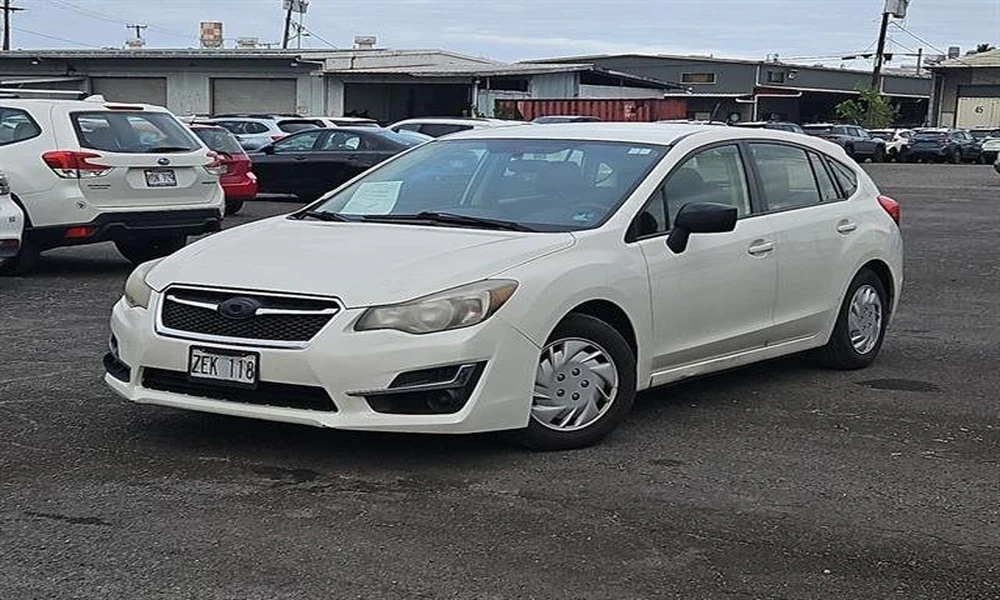
When buying or upgrading your vehicle, understanding how used car dealerships determine trade-in value can make a significant difference in how much you get for your current car. Many car owners walk into a dealership without fully knowing what affects their vehicle’s worth, leaving money on the table. If you’re planning to trade in your car, knowing how the process works helps you negotiate confidently and maximize your return.
How Used Car Dealerships Evaluate Trade-In Value
Used car dealerships rely on a combination of market data, vehicle condition, and demand when assessing trade-in value. One of the biggest factors is the current market demand for your specific make and model. If your car is popular, fuel-efficient, or in high demand locally, it will typically receive a higher valuation.
Dealerships also use tools like auction reports and pricing guides to determine a baseline value. These tools show what similar vehicles are selling for in wholesale markets, which often influences the offer you receive. Unlike private sales, dealerships need to leave room for profit, reconditioning costs, and potential risks.
Mileage is another key factor. Lower mileage generally increases value, but it must align with the vehicle’s age. A well-maintained car with average mileage can sometimes outperform a low-mileage car with poor upkeep.
The Role of Vehicle Condition
Condition plays a crucial role in trade-in value. Used car dealerships inspect both the exterior and interior of your vehicle, checking for dents, scratches, worn upholstery, and any signs of neglect. Mechanical condition is even more important. A car that runs smoothly, has no warning lights, and comes with a solid maintenance history will always be more appealing.
Simple improvements can make a difference. Cleaning your car, fixing minor issues, and ensuring all features are working can increase your offer. While you don’t need to invest heavily in repairs, addressing small cosmetic flaws can positively influence a dealer’s perception.
Market Trends and Timing
Trade-in value isn’t fixed-it fluctuates based on market trends. Used car dealerships adjust their offers depending on supply and demand. For example, SUVs and trucks may have higher trade-in values during certain seasons, while fuel-efficient cars may be more valuable when gas prices rise.
Timing your trade-in can work in your favor. If your vehicle type is currently in demand, you may receive a better offer. Additionally, trading in your car when inventory is low at dealerships can sometimes lead to higher valuations, as dealers are actively looking to stock their lot.
Trade-In vs. Private Sale
One of the biggest decisions car owners face is whether to trade in their vehicle or sell it privately. Used car dealerships offer convenience-you can complete the transaction quickly and apply the trade-in value directly toward your next purchase. This saves time and reduces the hassle of meeting buyers, negotiating, and handling paperwork.
However, private sales may offer a higher price since there’s no middleman. The trade-off is effort and time. Many sellers prefer the simplicity of working with used car dealerships, especially when they want a seamless transition into a new vehicle.
How to Maximize Your Trade-In Value
If you want the best possible offer from used car dealerships, preparation is key. Start by researching your car’s estimated value using online tools. This gives you a realistic expectation before visiting a dealership.
Gather all necessary documents, including maintenance records, title, and service history. These show that your car has been well cared for, which can increase buyer confidence.
It’s also smart to get multiple quotes. Visiting different used car dealerships allows you to compare offers and negotiate better terms. Even small differences between offers can add up, especially when applied toward your next vehicle purchase.
Lastly, be honest about your car’s condition. Transparency builds trust and helps avoid surprises during inspection that could lower your offer.
Why Working with a Trusted Dealership Matters
Not all used car dealerships operate the same way. Choosing a reputable dealership ensures a fair and transparent evaluation process. Trusted dealerships provide clear explanations of how they arrived at your trade-in value and offer competitive pricing based on real market data.
They also streamline the entire process, handling paperwork, title transfers, and financing options if needed. This level of service makes trading in your vehicle a stress-free experience compared to navigating a private sale.
Final Thoughts
Understanding how used car dealerships determine trade-in value puts you in a stronger position when upgrading your vehicle. From market demand and condition to timing and preparation, several factors influence how much your car is worth.
By doing your research, preparing your vehicle, and comparing offers, you can confidently navigate the trade-in process and secure the best possible value. Whether you prioritize convenience or maximizing profit, knowing how the system works ensures you make the right decision for your needs.
This post was written by a professional at 518 Auto Sales. 518 Auto Sales is among the trusted used car dealerships in Newport News VA, offering a wide selection of quality pre-owned cars, trucks, and SUVs. We provide competitive pricing on every vehicle and are committed to delivering exceptional customer service to drivers throughout the Norfolk area. Whether you’re looking for a dependable daily driver or your next family vehicle, our team is here to help you find the right fit.
