
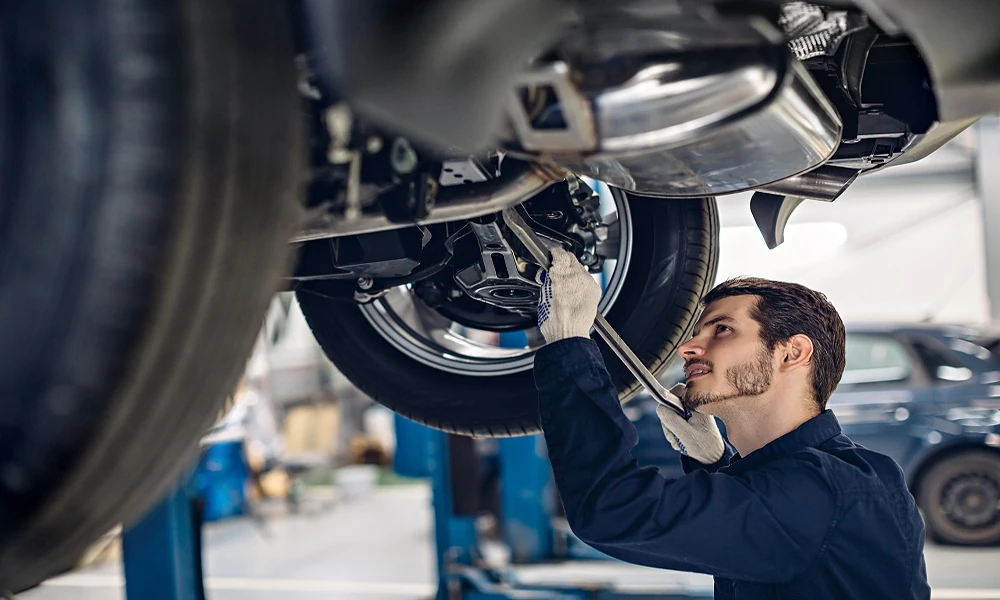
Every smooth drive requires internal mechanical balance. The internal parts must work together flawlessly. Your car relies heavily on two critical components. The clutch and the gearbox manage the engine power. They coordinate perfectly to move your vehicle forward. Without this connection, your car remains completely motionless. This complex interaction ensures a seamless driving experience.
Achieving Mechanical Balance under Extreme Pressure
Friction plates endure massive heat during daily commutes. They grip the flywheel with incredible force. A strong pressure plate secures the entire mechanism. Gradually, the engine power matches the transmission speed. The car accelerates smoothly down the asphalt road. Proper driving habits extend the lifespan of components. Conversely, aggressive shifting damages the delicate teeth quickly. River City Brakes engineering focuses heavily on part durability. Their research teams create highly resilient automotive components. Strong materials withstand intense friction over long periods.
Signs of System Disruption and Fluid Degradation
Mechanical harmony fades away without regular vehicle checkups. Drivers often notice shifting delays during acceleration. Sometimes, a burning smell indicates severe clutch slippage. The gear lever vibrates uncomfortably during shifts. Also, leaking fluid causes significant internal component friction. You must check with the Auto Repair in Citrus Heights, CA immediately during inspections. Fresh lubricants protect moving metal surfaces from wear. Clean systems operate quietly without any harsh resistance. Regular maintenance prevents expensive garage visits later.
Preserving the Core Dynamics of Gear Systems
Modern vehicles combine electronic sensors with mechanical links. Computers help optimize the shifting points during travel. However, the fundamental mechanical principles remain unchanged. The direct connection provides ultimate vehicle control. Drivers enjoy the tactile feel of manual gearboxes. Therefore, maintaining system harmony remains a top priority. Experts at River City Brakes recommend timely component inspections always. Proper care keeps your vehicle running beautifully. Your daily commute becomes enjoyable with a healthy drivetrain.
FAQs
What causes gears to grind during a normal shift?
The clutch pedal may not compress the internal spring fully. Consequently, the spinning engine forces clash directly against the moving transmission teeth.
Why does transmission fluid matter for the shifting process?
The fluid lubricates every moving part inside the metal casing. It reduces intense heat and prevents metal friction during gear changes.
How often do drivers need a complete clutch replacement?
Most durable factory plates last for many miles under normal conditions. Aggressive driving habits reduce the component lifespan significantly.
Can a failing transmission damage a healthy clutch disc?
Yes, severe gear misalignment creates excessive vibrations throughout the system. This harsh movement wears down the connecting parts very quickly.
